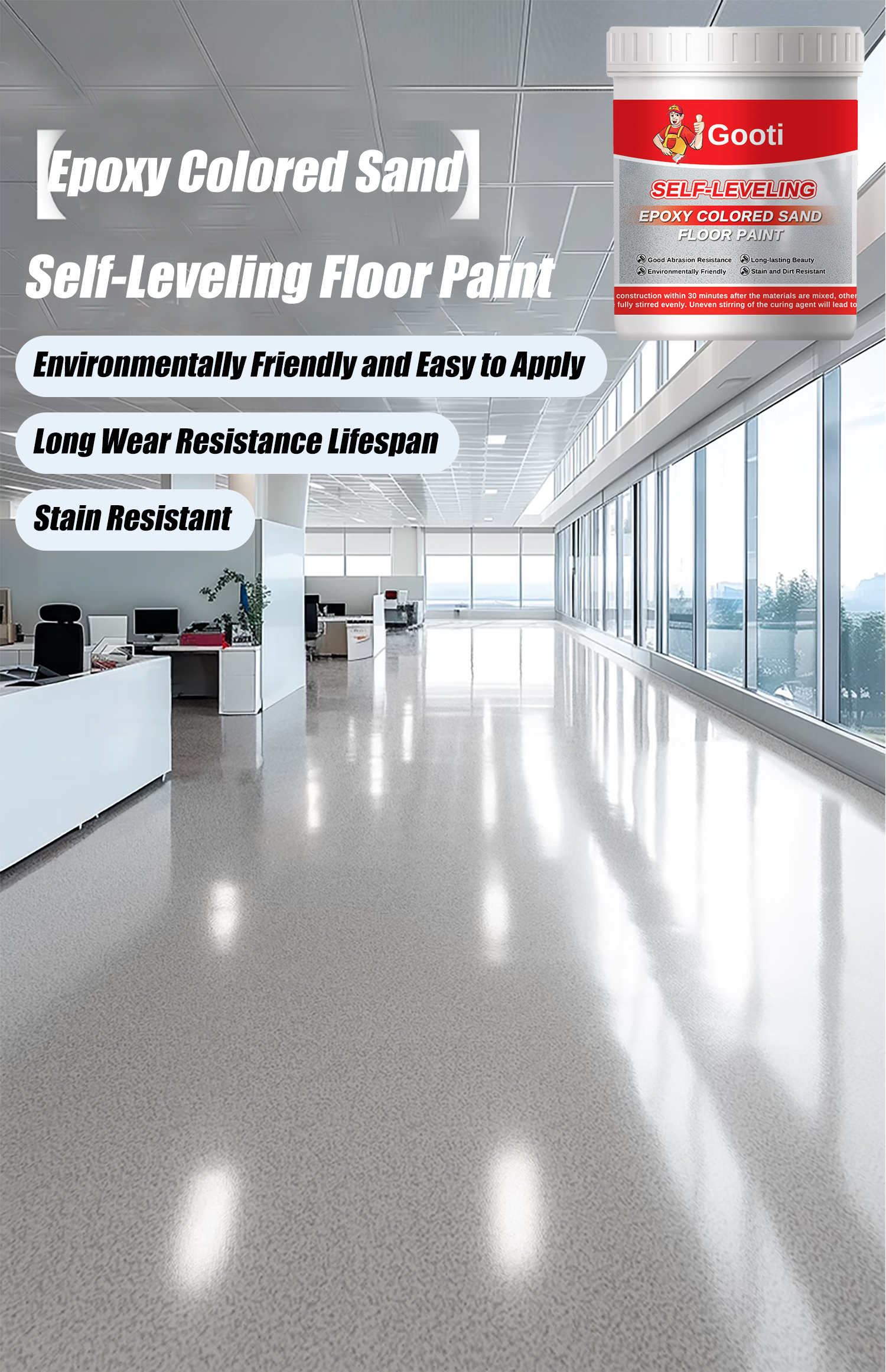

Trending Epoxy floor paint industrial upgrades are transforming workspaces across manufacturing plants, warehouses, and commercial facilities by delivering durability, safety, and visual appeal in one high-performance solution. These advanced coatings go beyond simple decoration—they protect concrete surfaces from heavy wear, chemical exposure, and moisture while enhancing slip resistance and ease of maintenance. As industries prioritize operational efficiency and worker safety, epoxy floor paints have become essential upgrades that combine functionality with modern aesthetics. Whether you're renovating a production floor or designing a new industrial space, understanding how to select and apply the right epoxy system is crucial for long-term success.
Why Choose Epoxy Floor Paint for Industrial Environments?
Epoxy floor paints stand out in industrial settings due to their exceptional strength and resilience. Unlike standard paints, epoxy coatings form a dense, cross-linked polymer layer that bonds tightly to concrete, resisting abrasion from machinery, foot traffic, and heavy loads. This makes them ideal for areas where safety and longevity are non-negotiable. Key benefits include:
- High Chemical Resistance: Withstands exposure to oils, solvents, acids, and alkalis common in industrial operations.
- Superior Slip Resistance: Many formulations include textured finishes that reduce accident risks on wet or oily floors.
- Low Maintenance: Smooth surfaces resist dirt accumulation, minimizing cleaning frequency and costs.
- Rapid Application & Curing: Many systems cure within hours, enabling quick return to full operation.
- Aesthetic Flexibility: Available in a wide range of colors, finishes, and patterns to match brand identity or improve workplace ambiance.
Note: Epoxy floor paints significantly extend the lifespan of concrete, often doubling or tripling service life compared to untreated surfaces.
| Property | Standard Paint | Epoxy Floor Paint |
|---|---|---|
| Chemical Resistance | Moderate | |
| Slip Resistance | ||
| Durability | ||
| Maintenance Frequency | ||
| Aesthetic Options |
Choosing the right epoxy system depends on specific environmental demands—floor traffic levels, chemical exposure, and desired appearance all influence material selection.
The market offers various types of epoxy floor paints tailored to different industrial needs. Understanding these options helps ensure optimal performance and value.
Types of Epoxy Floor Paints for Industrial Use
Not all epoxy coatings are created equal; each type serves distinct purposes based on application environment and performance requirements.
- Standard Epoxy Coatings: Ideal for general industrial floors with moderate chemical exposure and light to medium foot traffic. They provide strong adhesion and basic protection.
- High-Flex Epoxy Floors: Designed for areas with frequent movement or vibration, such as loading docks and workshops. Their elasticity prevents cracking under stress.
- Anti-Slip Epoxy Finishes: Engineered with textured surfaces or embedded aggregates to enhance traction, critical for safety in wet or oily zones.
- UV-Resistant Epoxy: Protects against sun damage in outdoor or large-window industrial spaces, maintaining color and integrity over time.
- Self-Leveling Epoxy: Creates ultra-smooth, level surfaces perfect for cleanrooms, laboratories, or precision equipment areas requiring flawless finishes.
Selecting the right formulation ensures long-term performance and cost efficiency in demanding industrial conditions.
When choosing an epoxy system, assess factors such as load-bearing capacity, chemical resistance, and expected wear. Consulting with suppliers based on real-world usage scenarios helps avoid premature failure and unnecessary expenses.
Step-by-Step Guide to Applying Industrial Epoxy Floor Paint
Proper surface preparation and application technique are vital to achieving a professional, durable finish. Skipping these steps risks poor adhesion, premature cracking, or reduced lifespan. Follow this structured process:
- Surface Cleaning: Remove dust, grease, oil, and loose debris using pressure washing or degreasing agents. A clean base ensures maximum bonding.
- Repair Damaged Areas: Fill cracks, chips, or holes with concrete patching compounds. Allow full curing before proceeding.
- Surface Profiling: Light sanding or shot blasting increases texture and improves epoxy grip. For existing epoxy layers, grinding may be needed.
- Priming (if required): Some substrates benefit from a specialized concrete primer to enhance adhesion and prevent moisture migration.
- Mixing Epoxy Resin and Hardener: Follow manufacturer ratios precisely. Use clean tools and mix thoroughly to avoid streaks or weak spots.
- Application: Apply with roller, trowel, or sprayer in thin, even coats. Multiple thin layers outperform one thick coat.
- Curing Time: Let each coat cure fully per manufacturer instructions—typically 24–48 hours between layers. Full cure may take several days.
- Final Inspection: Check for bubbles, unevenness, or missed spots. Sand lightly if needed and apply a topcoat for enhanced protection.
Consistent temperature and humidity during curing—ideally 20–30°C and 40–60% RH—are essential for optimal hardening and durability.
Even with careful execution, periodic maintenance enhances longevity. Sweeping, occasional deep cleaning, and timely touch-ups preserve both function and appearance.
Epoxy floor paints represent more than just a surface upgrade—they deliver lasting value through superior protection, safety, and design flexibility. By selecting the right product and applying it with precision, industrial facilities can transform their environments into efficient, resilient, and visually cohesive spaces.
In industrial settings where performance meets practicality, trending epoxy floor paint upgrades offer a proven path forward. Their ability to withstand harsh conditions while elevating aesthetics makes them indispensable for modern operations seeking reliability and style in equal measure.