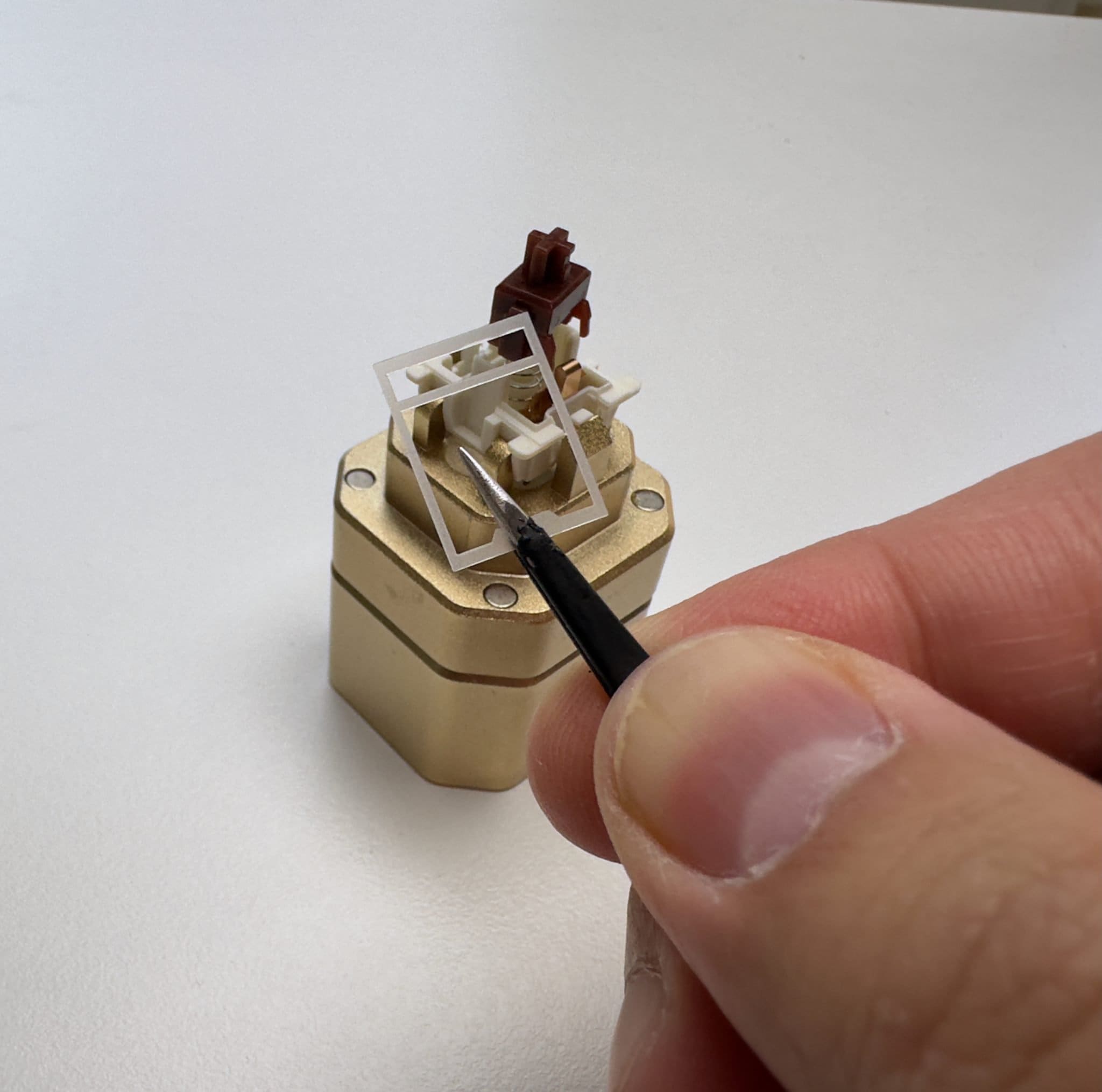

Mechanical keyboard switch chart is an essential tool for anyone exploring the world of customizable typing experiences. Whether you're a gamer seeking precise feedback, a programmer craving tactile response, or a typist wanting comfort and durability, understanding the variety of mechanical switches available is crucial. Unlike membrane keyboards that rely on soft membranes and rubber domes, mechanical keyboards use individual mechanical switches beneath each key, delivering consistent actuation and long-term reliability. A well-structured mechanical keyboard switch chart serves as a visual guide, helping users compare switch types based on key characteristics such as actuation force, travel distance, sound, and tactile feedback. This chart transforms complex technical data into an accessible reference, enabling informed decisions tailored to personal preferences and use cases.
| Switch Type | Actuation Force (gf) | Travel Distance (mm) | Tactile Feedback | Sound Level | Best For |
|---|---|---|---|---|---|
| Cherry MX Brown | 45 | 2.0 | Soft tactile bump | Low to medium | Gaming, general typing |
| Cherry MX Brown | 45 | 2.0 | Soft tactile bump | Low to medium | Gaming, general typing |
| Cherry MX Brown | 45 | 2.0 | Soft tactile bump | Low to medium | Gaming, general typing |
| Cherry MX Brown | 45 | 2.0 | Soft tactile bump | Low to medium | Gaming, general typing |
| Cherry MX Brown | 45 | 2.0 | Soft tactile bump | Low to medium | Gaming, general typing |
| Cherry MX Blue | 50 | 2.2 | Hard tactile click | Medium to high | Typing precision, coding |
| Cherry MX Blue | 50 | 2.2 | Hard tactile click | Medium to high | Typing precision, coding |
| Cherry MX Blue | 50 | 2.2 | Hard tactile click | Medium to high | Typing precision, coding |
| Cherry MX Red | 45 | 2.0 | Hard tactile bump | Medium | Gaming, durable use |
| Cherry MX Red | 45 | 2.0 | Hard tactile bump | Medium | Gaming, durable use |
| Cherry MX Red | 45 | 2.0 | Hard tactile bump | Medium | Gaming, durable use |
| Cherry MX Clear | 45 | 2.0 | No tactile bump | Silent operation | Quiet environments, typing focus |
| Cherry MX Clear | 45 | 2.0 | No tactile bump | Silent operation | Quiet environments, typing focus |
| Gateron Brown | 45 | 2.0 | Soft tactile bump | Low to medium | Gaming, budget-friendly |
| Gateron Brown | 45 | 2.0 | Soft tactile bump | Low to medium | Gaming, budget-friendly |
| Gateron Blue | 50 | 2.2 | Hard tactile click | Medium to high | Typing precision, coding |
| Gateron Blue | 50 | 2.2 | Hard tactile click | Medium to high | Typing precision, coding |
Understanding the core attributes listed in a mechanical keyboard switch chart allows users to match switches with their intended use. Actuation force, measured in grams, determines how much pressure is needed to register a keypress—lighter switches suit fast gamers, while heavier ones offer more control for typists. Travel distance influences key feel; shorter strokes provide quicker feedback ideal for rapid typing, whereas longer travel suits those who prefer deliberate key presses. Tactile feedback defines whether a switch delivers a noticeable bump or resistance, shaping user experience significantly. Sound level varies from near-silent to loud clicks, impacting suitability for shared workspaces. Finally, the best use case guides selection based on lifestyle—whether gaming intensity, typing volume, or durability needs.
Note: Mechanical switch choice depends heavily on personal preference; no single switch excels across all criteria, so testing is recommended before full commitment.
Among the most popular options, Cherry MX switches dominate the market due to their balanced performance and modular design. Each variant—Brown, Blue, Red, Clear—offers distinct tactile and auditory feedback, making them versatile across applications. While Cherry MX switches are known for consistency and longevity, alternatives like Gateron and Kailh provide comparable functionality at lower price points, expanding accessibility without sacrificing quality. For users prioritizing silence, Cherry MX Clear or Gateron variants minimize noise, supporting focused work or late-night typing sessions. Conversely, gamers often favor MX Blue or Red for their pronounced tactile clicks and reliable actuation, enhancing input precision during intense gameplay.
Note: Switch lifespan is typically measured in millions of actuation cycles; Cherry MX switches often exceed 50 million cycles, ensuring durability even under heavy daily use.
When building a mechanical keyboard, combining switch type with switch layout—such as linear, tactile, or clicky—creates a personalized typing environment. Some users mix switch types across keys to tailor responsiveness, though consistency generally improves reliability and reduces wear. Proper keycap material and spring tension further influence feel and longevity, reinforcing the importance of holistic system design beyond just switch selection alone.
Note: Mechanical keyboards require careful maintenance—regular cleaning prevents dust buildup that can affect switch responsiveness and lifespan.
Ultimately, a mechanical keyboard switch chart is more than a catalog—it’s a strategic guide empowering users to align hardware with real-world usage. By analyzing actuation force, tactile feedback, sound, and travel distance, individuals can select switches that elevate comfort, accuracy, and satisfaction. Whether driven by performance, aesthetics, or practicality, the right switch chart transforms abstract specifications into tangible choices, bridging the gap between technical detail and user experience.
Related Terms:
- mechanical keyboards switch guide
- mechanical keyboard switches list
- keyboard mechanical switches guide
- mechanical keyboard switch types guide
- mechanical keyboard switch diagram
- mechanical keyboard switch list