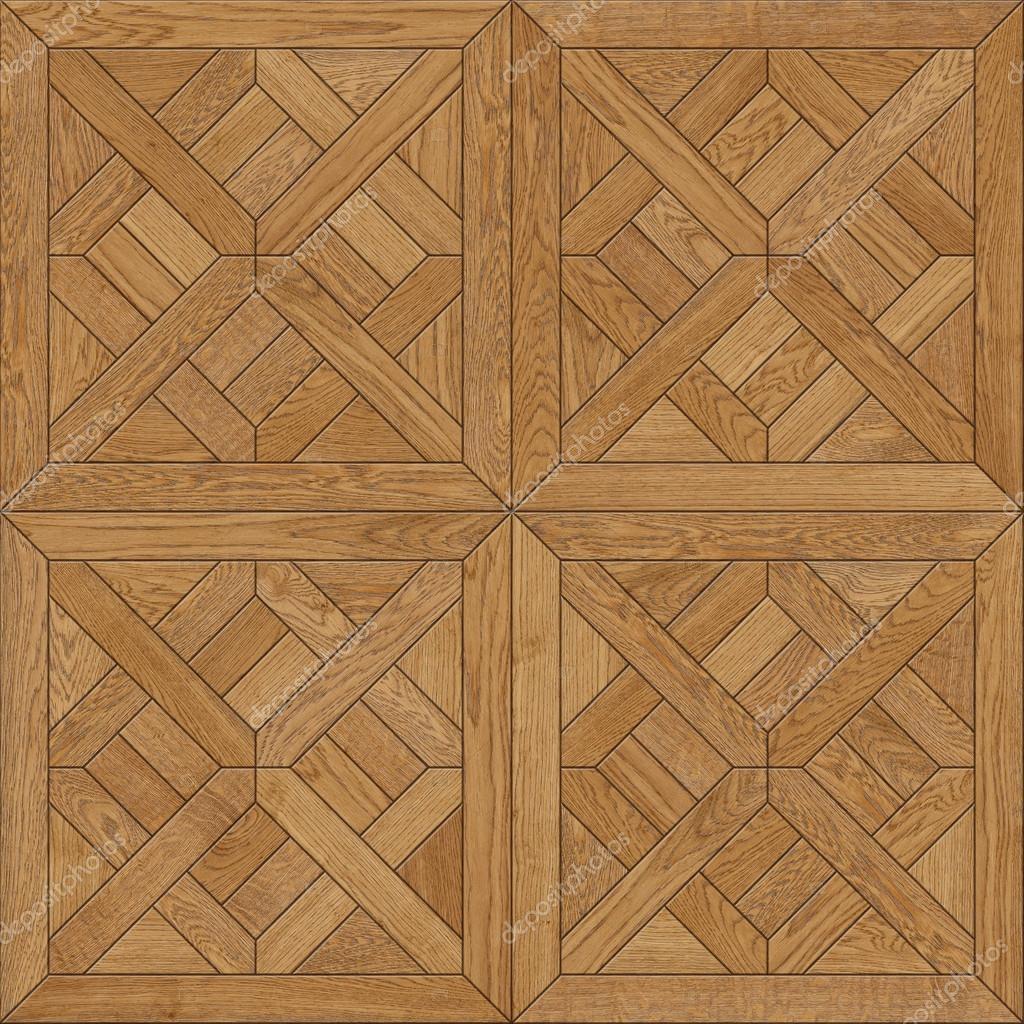

In the world of digital art and design, the importance of high-quality textures cannot be overstated. Among the various types of textures available, floor texture seamless patterns stand out for their versatility and practicality. These textures are designed to repeat seamlessly, making them ideal for backgrounds, game development, and architectural visualizations. This blog post will delve into the intricacies of floor texture seamless patterns, their applications, and how to create and use them effectively.
Understanding Floor Texture Seamless Patterns
A floor texture seamless pattern is a digital image designed to tile without visible seams. This means that when the image is repeated horizontally and vertically, it creates a continuous and uninterrupted surface. Seamless textures are particularly useful in digital art, game design, and 3D modeling, where consistency and realism are crucial.
There are several types of floor texture seamless patterns, each suited to different applications:
- Wooden Floors: These textures mimic the look of various wood types, from oak to bamboo, and are often used in interior design and game environments.
- Tile Floors: Perfect for creating realistic tile patterns, these textures are commonly used in architectural visualizations and game levels.
- Concrete Floors: Ideal for industrial or modern settings, concrete textures add a rugged and realistic touch to digital environments.
- Carpet Floors: These textures are great for adding warmth and texture to interior scenes, often used in home decor and game design.
Applications of Floor Texture Seamless Patterns
Floor texture seamless patterns have a wide range of applications across various industries. Here are some of the most common uses:
- Game Development: Seamless textures are essential for creating immersive game environments. They help in designing floors, walls, and other surfaces that look realistic and consistent.
- Architectural Visualizations: Architects and designers use seamless textures to create detailed and realistic 3D models of buildings and interiors. These textures help in visualizing how different materials will look in a finished project.
- Digital Art and Illustration: Artists use seamless textures to add depth and realism to their digital paintings and illustrations. These textures can be used as backgrounds or integrated into the main subject matter.
- Web Design: Seamless textures can enhance the visual appeal of websites by adding texture to backgrounds, buttons, and other elements. They help in creating a more engaging and visually appealing user interface.
Creating Floor Texture Seamless Patterns
Creating a floor texture seamless pattern involves several steps. Here’s a basic guide to help you get started:
Step 1: Choose Your Software
There are several software options available for creating seamless textures. Some of the most popular ones include:
- Adobe Photoshop
- GIMP
- Affinity Photo
- Krita
Step 2: Select a Reference Image
Start by selecting a reference image that you want to turn into a seamless texture. This could be a photograph of a wooden floor, a tile pattern, or any other surface you want to replicate.
Step 3: Prepare the Image
Open your chosen software and import the reference image. Resize the image to a square dimension, such as 1024x1024 pixels, to ensure it tiles seamlessly.
Step 4: Create the Seamless Pattern
To create a seamless pattern, you need to ensure that the edges of the image match perfectly when tiled. Here’s how you can do it in Photoshop:
- Duplicate the layer and move the duplicate layer to the right by 50% of the image width.
- Use the Clone Stamp Tool to blend the edges of the duplicate layer with the original layer.
- Repeat the process for the bottom edge by moving the duplicate layer down by 50% of the image height and blending the edges.
- Use the Offset Filter (Filter > Other > Offset) to check for any visible seams. Adjust the blending as necessary.
💡 Note: The Offset Filter can help you visualize any seams that need further blending. Adjust the settings to see the entire image tiled.
Step 5: Save and Export
Once you are satisfied with the seamless pattern, save your work in a high-quality format such as PNG or TIFF. For web use, you can export the image as a JPEG or PNG.
Using Floor Texture Seamless Patterns
Once you have created your floor texture seamless pattern, you can use it in various applications. Here are some tips for effective use:
In Game Development
In game development, seamless textures are used to create realistic and immersive environments. Here’s how you can use them:
- Import the texture into your game engine (e.g., Unity, Unreal Engine).
- Apply the texture to the floor or wall surfaces in your game level.
- Adjust the tiling settings to ensure the texture repeats seamlessly.
In Architectural Visualizations
For architectural visualizations, seamless textures help in creating detailed and realistic 3D models. Here’s how you can use them:
- Import the texture into your 3D modeling software (e.g., Blender, 3ds Max).
- Apply the texture to the surfaces of your 3D model.
- Adjust the UV mapping to ensure the texture tiles seamlessly.
In Digital Art and Illustration
In digital art and illustration, seamless textures can add depth and realism to your work. Here’s how you can use them:
- Import the texture into your digital art software (e.g., Photoshop, Procreate).
- Use the texture as a background or integrate it into your main subject matter.
- Adjust the opacity and blending modes to achieve the desired effect.
Best Practices for Floor Texture Seamless Patterns
To ensure your floor texture seamless patterns look professional and realistic, follow these best practices:
- High Resolution: Use high-resolution images to ensure the texture looks sharp and detailed, even when zoomed in.
- Consistent Lighting: Ensure the lighting in your texture is consistent to avoid visible seams when tiled.
- Color Matching: Match the colors of the edges to ensure a seamless transition when the texture is repeated.
- Test Tiling: Always test the texture by tiling it to check for any visible seams or inconsistencies.
Common Challenges and Solutions
Creating and using floor texture seamless patterns can present some challenges. Here are some common issues and their solutions:
Visible Seams
Visible seams can ruin the realism of your texture. To avoid this:
- Use the Clone Stamp Tool to blend the edges carefully.
- Adjust the brightness and contrast of the edges to match the rest of the texture.
- Use the Offset Filter to check for any visible seams and make necessary adjustments.
Inconsistent Lighting
Inconsistent lighting can make the texture look unnatural when tiled. To solve this:
- Ensure the lighting in your reference image is consistent.
- Use adjustment layers to match the lighting across the texture.
- Blend the edges carefully to avoid any abrupt changes in lighting.
Color Mismatches
Color mismatches can create visible seams when the texture is tiled. To fix this:
- Use the Color Balance or Hue/Saturation tools to match the colors of the edges.
- Blend the edges carefully to ensure a smooth transition.
- Use the Offset Filter to check for any color mismatches and make necessary adjustments.
Examples of Floor Texture Seamless Patterns
To give you a better idea of how floor texture seamless patterns can be used, here are some examples:
| Type of Floor | Application | Example |
|---|---|---|
| Wooden Floor | Game Development | A realistic wooden floor texture used in a medieval game environment. |
| Tile Floor | Architectural Visualization | A seamless tile pattern used in a 3D model of a modern kitchen. |
| Concrete Floor | Digital Art | A rugged concrete texture used as a background in a digital painting. |
| Carpet Floor | Web Design | A soft carpet texture used as a background for a cozy website design. |
These examples illustrate the versatility of floor texture seamless patterns and their wide range of applications.
In conclusion, floor texture seamless patterns are an essential tool for digital artists, game developers, and architects. They offer a versatile and practical way to create realistic and immersive environments. By understanding the types of seamless textures, their applications, and best practices for creation and use, you can enhance the quality and realism of your digital projects. Whether you are designing a game level, creating a 3D model, or illustrating a digital painting, seamless textures can add depth and authenticity to your work.
Related Terms:
- tiles texture
- stone floor texture seamless
- forest floor texture seamless
- black floor texture seamless
- free floor texture for blender
- concrete floor texture seamless