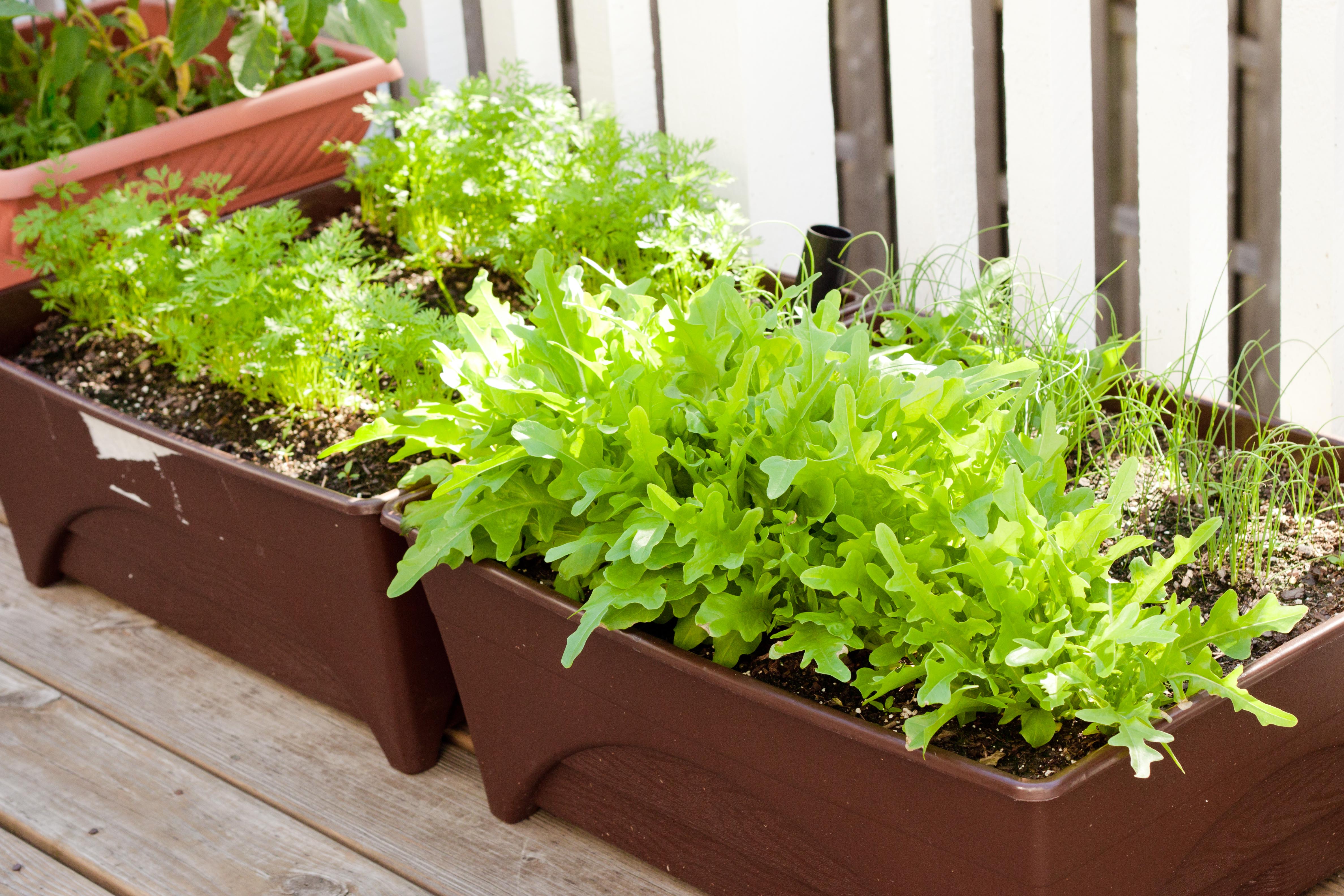

Choosing between container soil and garden ground is one of the most fundamental decision when start plants - whether you're turn herb on a balcony or cultivating veg in a backyard plot. Both option function the essential role of aliment plant roots, but they disagree importantly in composition, drainage, nourishing availability, and ease of use. Realise these differences helps gardeners select the correct medium for their specific needs, ensuring healthier ontogenesis and more successful harvests. Container grunge, often particularly formulated for potful and lift beds, offers controlled conditions nonesuch for imprisoned space, while garden soil relies on natural ground, rich in organic issue but variable in quality and consistence. This equivalence search key factors including texture, drainage, nutrient management, maintenance, and suitability across different horticulture environs to manoeuver informed choices.
Understanding Container Soil and Garden Soil
Container soil, also cognise as potting mix, is organise specifically for use in pots, planter, and containers. Unlike garden grease, which is dug now from the globe, container soil combines element such as peat moss, coconut coir, perlite, vermiculite, and compost organic topic. This blend make a lightweight, well-aerated medium that supports root evolution without turn bundle. Garden filth, by demarcation, dwell of native soil - earth taken from the ground - containing minerals, organic fabric, and microorganism determine by local mood and terrain. While garden soil can indorse outdoor planting, its performance in containers is unpredictable due to compaction jeopardy and discrepant food tier.
| Characteristic | Container Soil | Garden Stain |
|---|---|---|
| Composing | Peat, coir, perlite, compost | Native land, organic affair, mineral |
| Drainage | Excellent, designed to keep waterlogging | Variable, oftentimes prone to concretion |
| Nutrient Control | Balanced, slow-release fertiliser included | Highly varying, reckon on local soil health |
| Weight | Lightweight, easy to handle in containers | Heavier, harder to manage in stool |
| Sterility | Generally sterile, low disease hazard | May contain pathogens or grass seed |
| Composing | Peat, coir, perlite, composted organic matter | Aboriginal earth, organic thing, mineral |
| Drainage | Excellent, prevents waterlogging | Variable, frequently prone to densification |
| Food Control | Balanced, slow-release food include | Highly variable, depends on local soil health |
| Weight | Lightweight, ideal for container | Heavier, harder to negociate in pots |
| Sterility | Generally unimaginative, low disease endangerment | May contain pathogens or grass seed |
One of the most critical distinctions consist in drainage. Container land is design with superior aeration and speedy water movement, keep radical rot get by standing moisture - a common issue in pots where excess water can not drain freely. Garden filth, specially when used instantly in open ground, benefits from natural drain design but struggle in heavy mud soils where water pool around source. In container, hapless drainage direct quickly to soggy weather that stifle roots; in garden, compaction over time may reduce permeability, though proper preparation meliorate flow. For optimum results, container growers must supervise wet close, while nurseryman should assess soil structure before planting.
Note: Container grease typically includes added fabric like perlite or vermiculite to ameliorate air pockets and drainage, reducing the risk of overwatering.
Line: Garden soil often requires amendment with compost or moxie to enhance structure and fecundity, especially in degraded or compacted aboriginal soils.
Line: Using garden filth in container without adjustment risks misfortunate aeration and increase disease susceptibility.
Note: Container mixes are ofttimes pre-packaged and tested for pH balance, ensuring logical growing weather across batch.
Tone: Garden soil's microbial diversity supports long-term filth health but may introduce invasive mintage or cuss when reused improperly.
Nutrient accessibility is another key factor shaping the pick. Container soil is phrase to deliver balanced nutrition, often enrich with slow-release fertiliser that give works steadily over weeks or months. This contain release minimizes leaching and ensures consistent increment, especially critical for potted vegetables and blossom plants. Garden soil, while rich in organic thing, varies widely in nutrient content - some areas have abundant birthrate, others are depleted. Gardener using garden soil must regularly tryout and meliorate it with compost, manure, or commercial fertiliser to preserve productivity. Without deliberate direction, nutritious deficiencies or toxicity can hamper works ontogenesis, make container colly a more reliable pick for predictable answer.
Note: Container soil typically comprise balanced macro- and micronutrients, reduce the motivation for frequent fertilization.
Tone: Garden ground's nutrient profile reckon heavily on local geology and anterior land use, command regular essay before planting.
Note: Organic amendments like compost improve both garden and container stain quality by advance microbic activity and nutrient retention.
Billet: Container mixing often include controlled-release fertilizer, reducing the frequence of give compared to garden soil, which may want monthly or seasonal additions.
Note: Garden soil benefits from natural decomposition procedure, slowly free food as organic thing shift down over time.
Maintenance demands disagree importantly between container and garden soil. Container grease requires diligent monitoring of moisture levels, as potful dry out fast than in-ground beds - especially in hot weather or blowy locations. Garden soil, formerly properly prepared and amended, retains wet longer and resists rapid drying, though it may snap or become hard during prolonged drought. Fecundation schedules also alter: container flora typically involve feeding every 2 - 4 weeks, while garden flora may require less frequent attention depend on soil fecundity. Weeding is nigh absent in container but essential in garden beds, where weeds contend sharply for resource. These maintenance difference influence labor input and time commitment, maneuver gardeners toward the method best fit to their lifestyle and experience stage.
Note: Container flora benefit from reproducible water routines due to limited soil bulk, reducing risk of underwatering or overwatering.
Note: Garden soil supports natural weed curtailment through dense organic bed, though manual weeding rest necessary during brass.
Note: Container systems allow precise control over growing medium, enable made-to-order solutions for specific harvest or sensitive plants.
Note: Garden soil's complexity get it less predictable, requiring ongoing observation and adaption by experienced gardeners.
Line: Container grunge's uniformity simplifies troubleshoot, assist beginners avoid common pit like nutrient imbalance or miserable drainage.
Tone: Garden soil's trust on local weather signify success depends on understanding regional soil case and seasonal alteration.
When select between container grime and garden ground, regard the grow surroundings and uncommitted resource. Container soil excels in urban background, small spaces, or indoor growing where portability and precision affair most. Its lightweight nature eases treat, and its controlled composition reduces guessing. Garden filth suits established outdoor game with ample space, where long-term soil building and natural ecosystem support salubrious plant growth. For miscellaneous approaches, unite high-quality garden dirt with container mix amendment can raise birthrate while maintaining good drain. Finally, the good alternative balances practicality, works needs, and maintenance capability, ensuring thrive development across seasons and weather.
Line: Container soil whirl restroom and dependability for limited-space horticulture, ideal for father and urban dwellers.
Note: Garden ground delivers deep-rooted ecological benefit but demand greater noesis and try to prepare and maintain efficaciously.
Tone: Both soil case contribute to sustainable gardening - container premix reduce waste through reclaimable, interchangeable blends, while garden grime maintain local biodiversity when contend responsibly.
In summary, container soil and garden stain each bring unique vantage to finish. Container ground provides controlled, lightweight, and logical growing conditions hone for pots and limited spaces, minimize common pitfalls like compaction and drainage topic. Garden filth, rich in organic complexity and microbic life, support long-term soil health and ecosystem resiliency but demand careful readying and ongoing attention. By evaluating factors such as drain, nutrient control, maintenance, and infinite constraints, gardeners can confidently opt the soil eccentric that better aligns with their goals, ensuring vibrant plant development and sustainable success across various turn environments.
Related Term:
- good dirt for container gardening
- top 5 container potting dirt
- best soil for container planting
- best filth for garden container
- top land needed for containers
- good soil for container garden