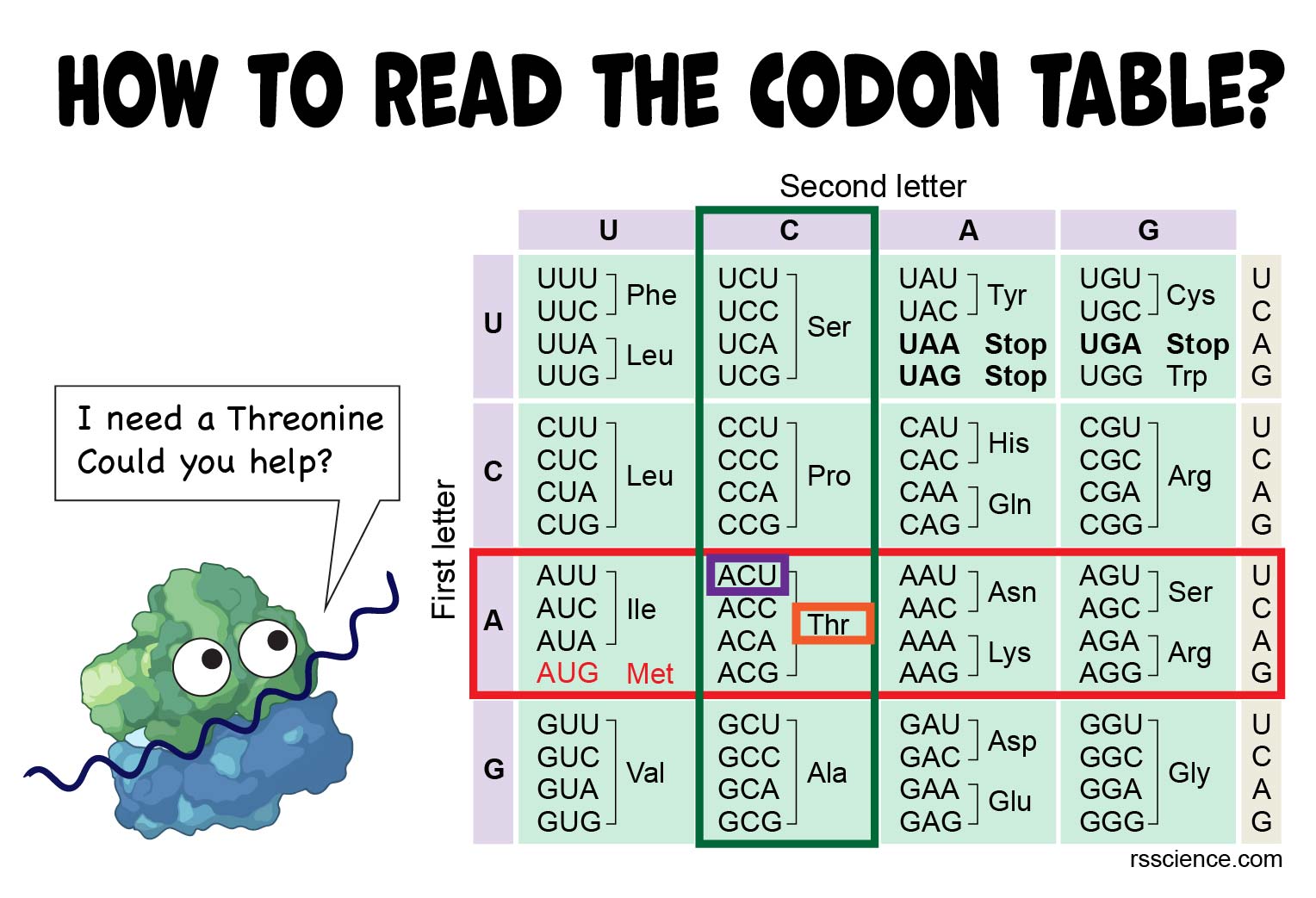

Understanding how genetic code translates into functional proteins begins with decoding the language of DNA—specifically through codons, the three-nucleotide sequences that carry vital instructions. A Codon Chart Printable serves as an essential tool for students, researchers, and educators, offering a clear visual reference of which amino acids correspond to each codon. This chart transforms abstract genetic information into an accessible format, enabling faster learning and accurate interpretation. Whether used in classrooms, labs, or personal study, having a reliable Codon Chart Printable helps demystify the complexity of molecular biology. It supports the recognition of start and stop signals, identifies synonymous codons, and clarifies how mutations affect protein function. For those diving into genetics, having a printable version ensures quick access without needing constant digital tools.
| Codon | Amino Acid | Type | Function |
|---|---|---|---|
| ATG | Methionine | Start codon | Initiates translation |
| TAA | Stop | Premature termination | Halts protein synthesis |
| TAG | Stop | Premature termination | Signals end of translation |
| TGA | Stop | Premature termination | Final signal in most genes |
| ATC | Isoleucine | Standard codon | Builds specific protein segments |
| ACC | Threonine | Standard codon | Contributes to structural domains |
| ACG | Threonine | Standard codon | Common in many organisms |
| CUU | Leucine | Standard codon | Supports enzyme activity |
| CUC | Leucine | Standard codon | Structural role in proteins |
| CUA | Leucine | Standard codon | Translation continuity |
| CUG | Leucine | Standard codon | Common start and coding codon |
A Codon Chart Printable typically displays all 64 possible codons, including start and stop signals, along with their corresponding amino acids and roles. This structured layout allows learners to quickly scan and memorize key relationships, making it ideal for repetitive review. Many versions also highlight synonymous codons—different triplets encoding the same amino acid—helping clarify genetic redundancy. Including mutation examples, such as sickle cell anemia caused by a single base change, reinforces understanding of how small errors disrupt function. For educators, printing multiple copies supports interactive classroom activities, while students benefit from personalized charts placed near study spaces. The portability and reusability of a printable version make it a sustainable resource across academic levels and professional settings.
Note: Always verify your chart’s source, as minor variations exist between species; focus on the most widely studied organisms like humans and model bacteria.
The process of building or obtaining a Codon Chart Printable is straightforward. Start by identifying the standard genetic code table, then organize the data into clear columns emphasizing function and meaning. Use color coding or shading to distinguish start/stop codons and highlight critical mutations. Digital tools can generate initial drafts, but printing ensures accessibility without screen dependency. Regularly updating the chart with new discoveries maintains its relevance in fast-evolving fields like genomics and synthetic biology. Whether used for teaching, research, or self-study, a well-designed Codon Chart Printable remains a cornerstone resource for anyone exploring the foundation of life’s molecular language.
Related Terms:
- codon chart with single letter
- free printable codon chart
- codon chart pdf
- codon chart practice worksheet
- simple codon chart
- codon chart worksheet