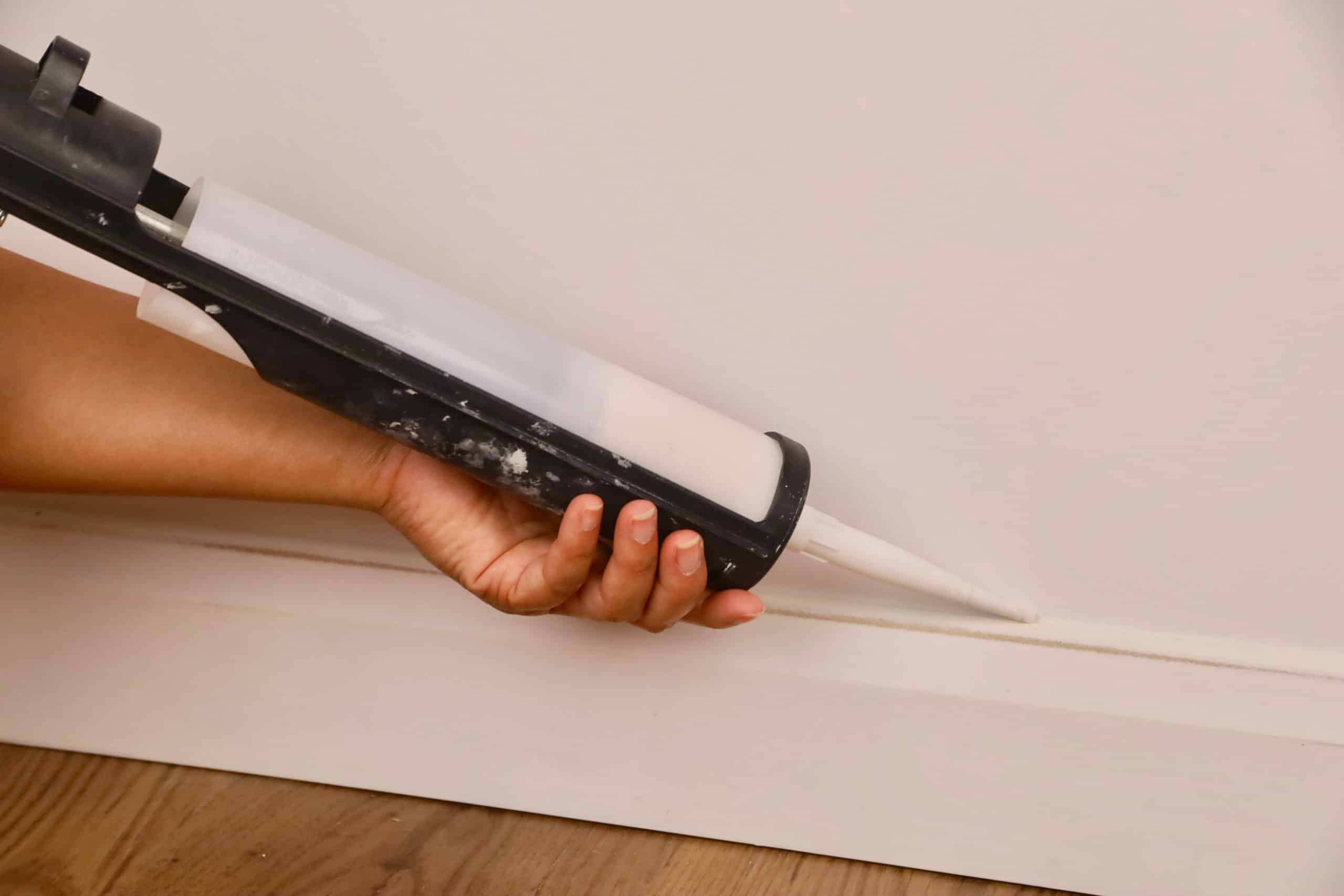

Caulking baseboards to the floor is a vital step in home maintenance that prevents drafts, water intrusion, and structural damage over time. When moisture seeps behind baseboards, it can weaken adhesives, promote mold growth, and compromise the integrity of flooring materials. Properly sealing the joint between baseboards and the floor creates a tight barrier that enhances energy efficiency and protects interior surfaces. This process requires attention to detail, the right tools, and careful execution to ensure lasting results. Whether you’re working on a new build or renovating an existing space, understanding how to caulk baseboards effectively is essential for maintaining a durable and comfortable home environment.
Understanding the Importance of Caulking Baseboards to the Floor
Baseboards serve as both a decorative and functional element in any room, forming a critical junction between walls and floors. Over time, movement in the building structure, temperature fluctuations, and daily wear cause small gaps to form along this interface. Without caulking, these spaces become vulnerable to:
- Drafts that increase heating and cooling costs
- Water infiltration during rain or spills, leading to rot or mold
- Dust and debris accumulation that accelerates surface wear
- Damage to flooring materials such as hardwood, tile, or laminate
Sealing this gap not only improves comfort but also extends the lifespan of both baseboards and flooring by minimizing exposure to environmental stressors.
| Factor | Impact | Solution |
|---|---|---|
| Moisture Exposure | Promotes mold and wood decay | Use water-resistant caulk along the joint |
| Air Leaks | Increases energy loss and noise | Apply caulk to eliminate gaps and improve insulation |
| Structural Movement | Causes cracking and separation | Choose flexible caulk that accommodates minor shifts |
Note: Always clean the joint thoroughly before applying caulk to ensure strong adhesion and prevent future failure.
Note: Use a caulk gun with a smooth nozzle for consistent application and cleaner edges.
Note: For best results, apply caulk when the surface is dry and temperatures remain above 50°F (10°C).
To begin, gather essential tools and materials: a sharp utility knife, a clean caulk gun, high-quality caulk compatible with indoor or outdoor use, and a caulk remover or rubbing alcohol for surface prep. Start by removing old caulk with the utility knife, scraping away debris to expose a clean, dry edge. Wipe the area with a damp cloth to remove dust and oils, then let it dry completely—this ensures the new caulk bonds properly.
Next, select a caulk type suited to the location: exterior-grade for areas exposed to weather, and interior-grade for dry indoor spaces. Apply a continuous, even bead along the baseboard-to-floor joint, pressing firmly to push out excess and maintain a smooth finish. Smooth the surface with a damp finger or caulk smoother while the caulk is still wet—this prevents visible ridges and ensures a professional look.
Allow the caulk to cure fully, typically 24 hours, before testing for gaps or imperfections. If needed, lightly sand minor flaws with fine-grit paper and reapply a thin layer. Regular maintenance every few years helps preserve the seal, especially in high-moisture zones like bathrooms or basements.
Pro tip: For tighter joints, consider using a caulk with a lower viscosity that flows easily but doesn’t drip excessively.
Caulking baseboards to the floor is more than a cosmetic fix—it’s a proactive measure that safeguards your home’s structure and comfort. With proper technique and quality materials, this simple task delivers long-term benefits, keeping drafts at bay, preventing moisture damage, and preserving flooring integrity for years to come.
Related Terms:
- should you caulk around baseboards
- caulking between baseboard and floor
- should i caulk my baseboards
- caulking between laminate and baseboard
- caulking bottom of baseboards
- best caulking for baseboard trim