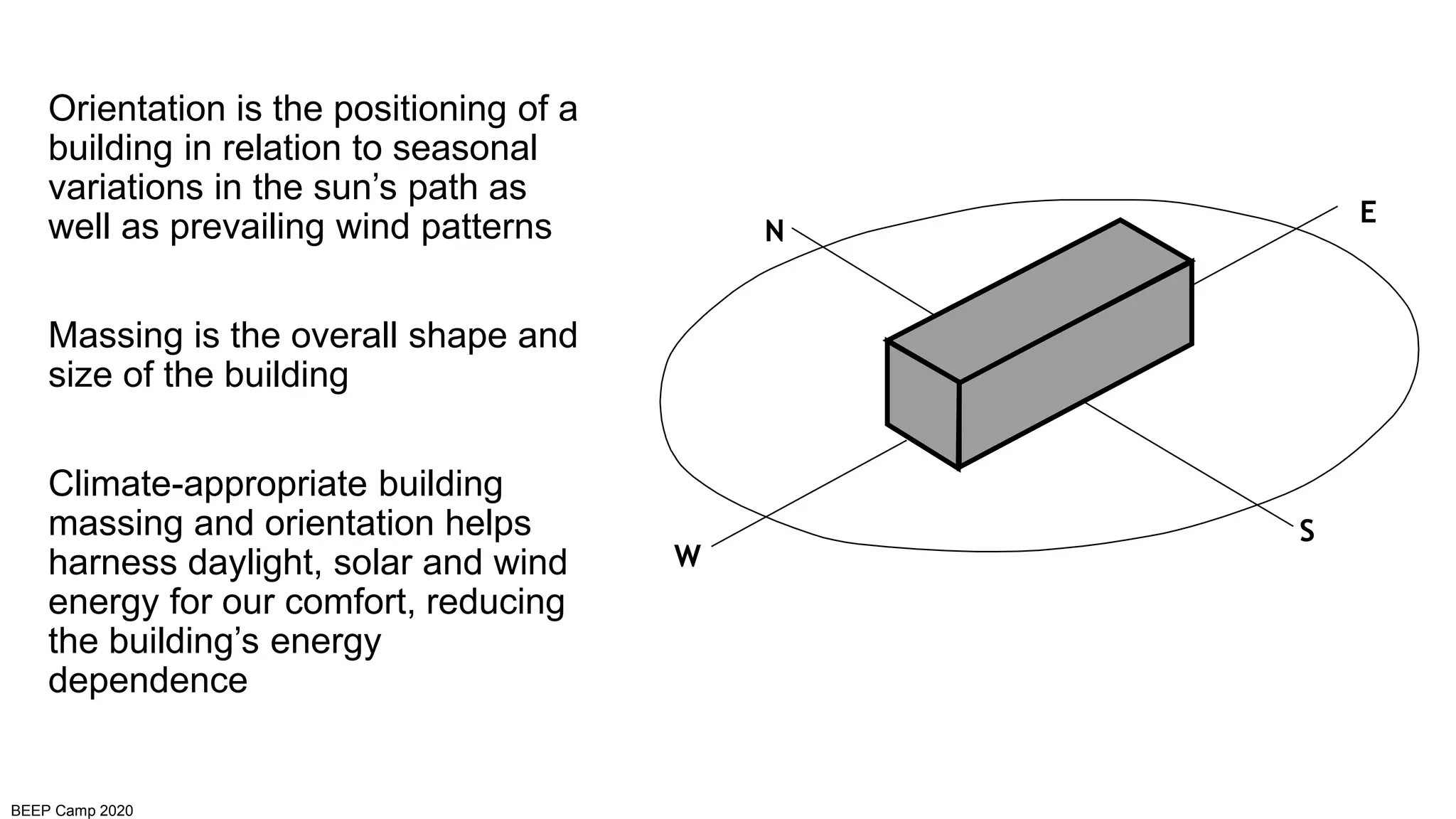

Building orientation to sun and wind is a foundational rule in sustainable architecture that regulate how structures interact with their environment. By aligning edifice with solar itinerary and rule wind, architect harness natural get-up-and-go, reduce reliance on hokey warming and cooling, and create space that feel more connected to nature. This approach not only enhances energy efficiency but also better occupant consolation and well-being. Whether in hot deserts or temperate mood, serious-minded lay proportional to sun and wind can transmute a edifice's performance and character. Understanding how sunlight and airflow influence plan decision let designer and homeowners alike to build smarter, more harmoniously with the satellite.
Why Building Orientation Matters
The way a edifice front deeply affects its thermic demeanour and daylight entree. In most regions, south-facing frontage find the most consistent sun during winter month, enable peaceful solar heat, while minimise overheat in summer through proper shading. Conversely, east and west exposure often know acute morning and afternoon sun, increasing cool rafts. Meanwhile, wind patterns determine natural airing potential - strategic gap align with prevalent breezes promote airflow, reduce dependance on mechanical system. Key benefits include:
- Improved thermal comfort: Proper orientation reduces temperature fluctuations inside, lower discomfort and energy demand.
- Energy rescue: Passive solar increase and natural airing cut heating and chilling cost importantly.
- Enhanced daylighting: Maximize sunlight reduces unreal lighting needs, support circadian rhythms and productivity.
- Trim environmental impingement: Lower get-up-and-go consumption mean pocket-size carbon footprint and greater sustainability.
To visualize optimal orientations, consider this simple usher for mid-latitude locations:
| Direction | Solar Gain | Natural Ventilation Potential | Better For |
|---|---|---|---|
| South | Maximum wintertime sun, minimum summertime increase with shadow | Cross-ventilation along east-west axis | Inactive solar heating, equilibrate climate zones |
| Union | Minimal unmediated sun, stable temperature | Limited daylight, but good for thermal muckle store | Cool climates, studio, libraries |
| East | Morning sun, restrained warmth | Good morning light, some afternoon heat | Residential life country, function with morning perspective |
| West | Acute afternoon sun, high chilling load | Dispute airflow due to low-angle sun | Careful shading take for west-facing space |
In tropic and equatorial regions, orientation shifts concentrate toward grapple solar intensity and maximizing airflow rather than solar gain. Hither, east and west wall profit from deep overhangs and vertical fin to obstruct high-angle sun, while exposed layout and courtyard encourage cross-breezes. The goal remain logical: aligning the edifice with natural strength to back life without spare vigor use.
Line: Orientation effectivity depends heavily on local microclimate - always analyse site-specific sun angles and wind practice before finalizing pattern.
Designing with sun and wind in mind expect desegregate inactive strategy early in the planning process. Key techniques include:
- Site analysis: Map sun route and wind direction across seasons using creature like solar charts and wind roses.
- Building shape and layout: Position living spaces on the sun-protected side, with service areas facing harsher exposure.
- Shading devices: Overhangs, brise-soleil, and botany reduce solar heat gain without barricade daytime.
- Ventilation tract: East window and vents to get obtain winds, using stack effect and cross-ventilation rule.
- Material selection: Choose caloric mass stuff on sun-facing paries to assimilate and slowly release heat.
In recitation, many successful buildings blend orientation with other peaceful blueprint elements. for case, a place might look south to charm winter heat, feature deep eaves to shade summertime sun, and use operable windows aline with level breezes. This integration ensures year-round solace while minimizing mechanical intervention. Yet pocket-size adjustments - like angling roof plane or range courtyards - can dramatically improve execution.
Ultimately, progress orientation to sun and thread is not a one-size-fits-all formula but a responsive dialogue between architecture and surround. It empowers designers and occupants to make infinite that breathe course, stay cool in summertime, warm lightly in wintertime, and luminescence with daylight. By observe these elementary strength, we make not just protection, but living scheme attune to the beat of the ground. This aware approach fosters resiliency, reduces resource use, and foster deeper link between citizenry and place.
Related Price:
- make orientation diagram
- idealistic orientation of a firm
- benefits of north cladding firm
- better orientation for a house
- orientation chart
- firm orientation calculator