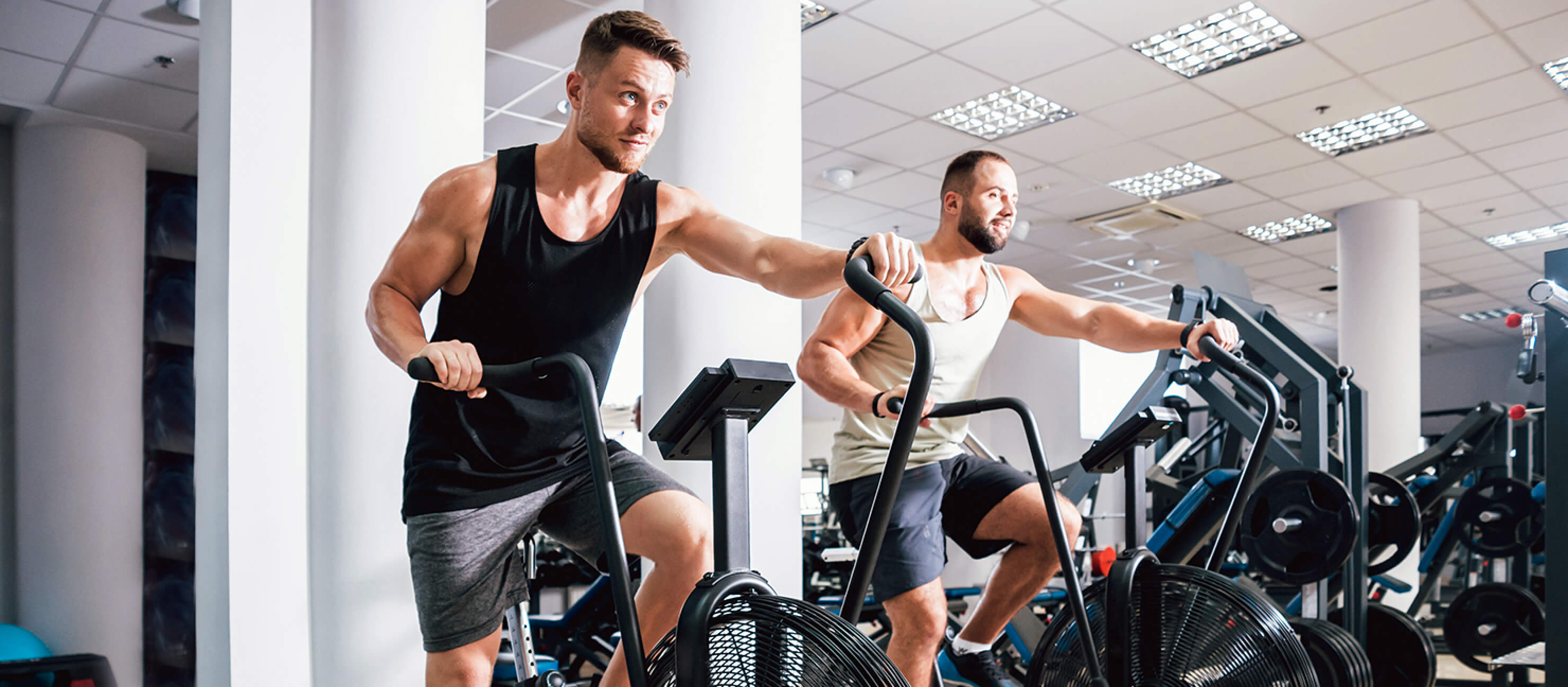

Embarking on a fitness journey can be both exciting and challenging. One of the most effective and convenient pieces of equipment for cardiovascular exercise is the gym bike. Whether you're a beginner or an experienced athlete, understanding the benefits of gym bike can help you make an informed decision about incorporating this versatile machine into your workout routine.
Understanding Gym Bikes
Gym bikes, also known as stationary bikes, are designed to provide a low-impact cardiovascular workout. They come in various types, including upright bikes, recumbent bikes, and spin bikes, each offering unique features and benefits. Upright bikes mimic the experience of riding a traditional bicycle, while recumbent bikes provide a more relaxed, reclined position. Spin bikes are popular for high-intensity interval training (HIIT) and offer a more intense workout.
The Benefits of Gym Bike
The benefits of gym bike are numerous and cater to a wide range of fitness goals. Here are some of the key advantages:
Low-Impact Exercise
One of the primary benefits of gym bike is the low-impact nature of the exercise. Unlike running or jumping, cycling on a gym bike puts minimal stress on your joints, making it an ideal choice for individuals with knee, ankle, or hip issues. This low-impact feature also makes it suitable for rehabilitation and injury prevention.
Cardiovascular Health
Regular use of a gym bike can significantly improve your cardiovascular health. Cycling helps to strengthen your heart and lungs, improving circulation and reducing the risk of heart disease. It also aids in lowering blood pressure and cholesterol levels, contributing to overall cardiovascular fitness.
Weight Management
Cycling is an excellent way to burn calories and manage weight. The number of calories burned depends on the intensity and duration of your workout. For example, a moderate-intensity cycling session can burn around 400-600 calories per hour, making it an effective tool for weight loss and maintenance.
Muscle Toning and Strengthening
While cycling primarily targets the lower body, it also engages your core and upper body muscles. Regular cycling can help tone and strengthen your quadriceps, hamstrings, calves, and glutes. Additionally, it improves core stability and upper body strength, especially when using resistance and varying your cycling position.
Convenience and Accessibility
Gym bikes offer unparalleled convenience and accessibility. You can use them at home, in a gym, or even outdoors with portable models. This flexibility allows you to exercise at your own pace and schedule, making it easier to stick to a consistent workout routine. Moreover, gym bikes are suitable for all fitness levels, from beginners to advanced athletes.
Mental Health Benefits
Exercise, including cycling, has been shown to have positive effects on mental health. Regular physical activity can reduce stress, anxiety, and depression by releasing endorphins, which are natural mood elevators. Cycling also provides a sense of accomplishment and can be a great way to clear your mind and improve focus.
Improved Endurance and Stamina
Cycling on a gym bike can help improve your endurance and stamina over time. As you increase the intensity and duration of your workouts, your body becomes more efficient at using oxygen, leading to better cardiovascular endurance. This improved stamina can benefit other aspects of your life, such as daily activities and other forms of exercise.
Versatility in Workouts
Gym bikes offer a variety of workout options to keep your routine interesting and challenging. You can adjust the resistance, speed, and incline to simulate different terrains and intensities. Many modern gym bikes also come with pre-programmed workouts and interactive features, allowing you to participate in virtual cycling classes or compete with others.
Types of Gym Bikes
Understanding the different types of gym bikes can help you choose the one that best suits your needs and preferences. Here is a brief overview of the most common types:
| Type of Gym Bike | Features | Benefits |
|---|---|---|
| Upright Bike | Resembles a traditional bicycle, with a vertical seating position and handlebars. | Provides a full-body workout, engages core muscles, and is suitable for beginners. |
| Recumbent Bike | Features a reclined seating position with back support and pedals positioned in front. | Offers a low-impact workout, reduces strain on the back and joints, and is ideal for those with mobility issues. |
| Spin Bike | Designed for high-intensity workouts, with a heavy flywheel and adjustable resistance. | Provides an intense cardiovascular workout, improves endurance, and is suitable for HIIT and interval training. |
| Air Bike | Uses a fan-based resistance system, with handles that move in sync with the pedals. | Offers a full-body workout, engages upper and lower body muscles, and is great for HIIT and cross-training. |
💡 Note: When choosing a gym bike, consider your fitness goals, budget, and available space. It's also a good idea to try out different types of bikes to see which one feels most comfortable and effective for you.
Tips for Effective Gym Bike Workouts
To maximize the benefits of gym bike, follow these tips for effective workouts:
Warm-Up and Cool-Down
Always start your workout with a 5-10 minute warm-up to prepare your muscles and joints for exercise. Gradually increase the intensity and resistance during your workout, and finish with a 5-10 minute cool-down to help your body recover.
Proper Form and Posture
Maintaining proper form and posture is crucial for preventing injuries and getting the most out of your workout. Keep your back straight, shoulders relaxed, and core engaged. Adjust the seat height so that your leg is almost fully extended when the pedal is at its lowest point.
Vary Your Workouts
To avoid boredom and plateaus, vary your workouts by changing the intensity, duration, and type of cycling. Incorporate interval training, hill climbs, and endurance rides to keep your body challenged and your mind engaged.
Monitor Your Progress
Track your progress by monitoring your heart rate, calories burned, and distance covered. Many gym bikes come with built-in consoles that display this information, or you can use a fitness tracker or smartphone app to keep track of your workouts.
Stay Hydrated
Drink plenty of water before, during, and after your workout to stay hydrated. Dehydration can lead to fatigue, dizziness, and reduced performance, so make sure to have a water bottle nearby.
Common Mistakes to Avoid
To ensure you get the most out of your gym bike workouts, avoid these common mistakes:
Incorrect Seat Height
An improperly adjusted seat can lead to discomfort, injuries, and reduced effectiveness of your workout. Make sure your seat is at the correct height to avoid strain on your knees and hips.
Poor Posture
Slouching or leaning too far forward can strain your back and neck, leading to discomfort and potential injuries. Maintain good posture by keeping your back straight and shoulders relaxed.
Skipping Warm-Up and Cool-Down
Skipping the warm-up and cool-down can increase the risk of injuries and reduce the effectiveness of your workout. Always take the time to properly warm up and cool down.
Overdoing It
Pushing yourself too hard, too fast can lead to burnout, injuries, and reduced motivation. Gradually increase the intensity and duration of your workouts to allow your body to adapt and recover.
Incorporating Gym Bike into Your Fitness Routine
Incorporating a gym bike into your fitness routine can be a game-changer. Here are some ways to integrate it effectively:
Complementary Exercises
Combine cycling with other forms of exercise, such as strength training, yoga, or swimming, to create a well-rounded fitness routine. This approach ensures that you work all major muscle groups and improve overall fitness.
High-Intensity Interval Training (HIIT)
HIIT workouts on a spin bike can be highly effective for burning calories and improving cardiovascular fitness. Alternate between high-intensity intervals and low-intensity recovery periods to challenge your body and boost metabolism.
Endurance Training
For those looking to improve endurance, longer, steady-state rides on a recumbent or upright bike can be beneficial. Aim for 30-60 minutes of moderate-intensity cycling to build stamina and cardiovascular health.
Cross-Training
Use a gym bike as part of your cross-training routine to prevent overuse injuries and keep your workouts interesting. Alternate between cycling and other activities like running, swimming, or weightlifting to maintain a balanced fitness regimen.
In conclusion, the benefits of gym bike are vast and cater to a wide range of fitness goals and preferences. Whether you’re looking to improve cardiovascular health, manage weight, or simply enjoy a convenient and effective workout, a gym bike can be an excellent addition to your fitness routine. By understanding the different types of gym bikes, following effective workout tips, and avoiding common mistakes, you can maximize the benefits and achieve your fitness goals.
Related Terms:
- 30 minutes on a bike
- 30 minute bike exercise benefits
- does cycling reduce blood pressure
- daily 10 km cycling benefits
- can cycling reduce blood pressure
- 5 benefits of cycling