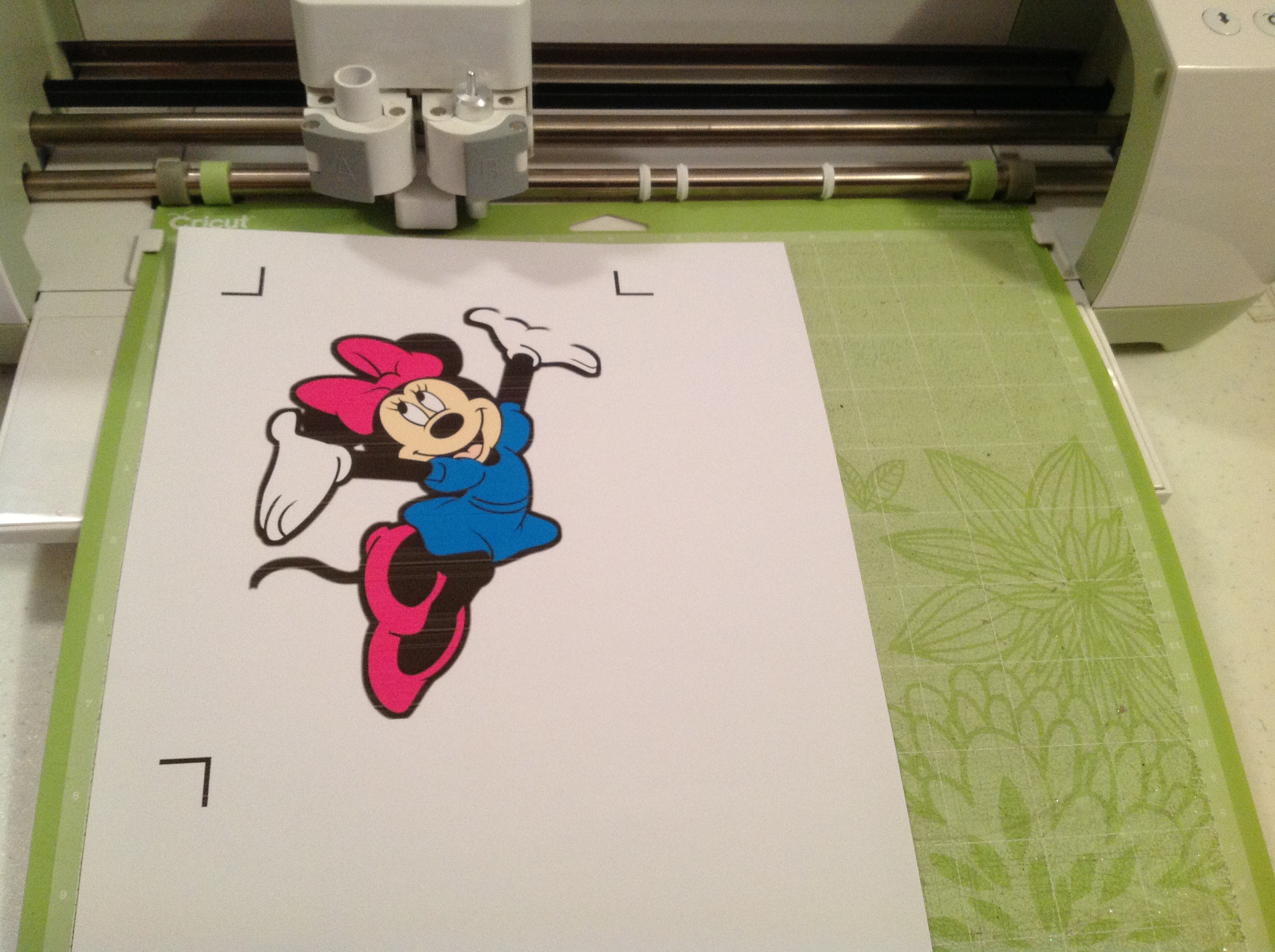

Learning how to pull then cut on Cricut is a potent science that unlocks endless creative hypothesis for crafters, scrapbookers, and DIY partisan. Whether you're contrive customs stumper, personalise endowment, or intricate theme art, dominate this process ensures precision and consistency every clip. The workflow combines digital design with physical cut, conflate creativity and technology seamlessly. By following clear, step-by-step instructions, even beginners can make professional-quality event. This guide walk you through the essential techniques - from sketch your artwork to cook file for cutting - ensuring you get the most out of your Cricut machine while derogate fault.
Step-by-Step Guide: How To Draw Then Cut On Cricut
Drawing your design before cutting is a crucial inaugural stride that pose the groundwork for a successful Cricut projection. Before launching into digital creation, direct time to sketch your thought on theme or digitally using a compatible app. This permit you to refine shapes, adjust proportions, and program layouts expeditiously. A well-planned drafting reduces mistakes during file conversion and guarantee your final cut aligns utterly with your sight.
Before open your Cricut software, view the chase:
- Choose unproblematic designing ideal for cutting - avoid overly complex line or flyspeck detail that may confuse the machine.
- Use clean, reproducible line; jagged edges or overlapping way can cause bleak error.
- Programme layer if your design includes multiple elements - this help contend swerve order and prevents misalignment.
Once satisfied with your sketch, open your preferred pattern application such as Cricut Design Space or Silhouette Studio. Import your drawing by uploading a raster image (like a PNG) or spell transmitter file (.svg). Transmitter formats are mostly preferred because they scale without lose character, though high-resolution raster work good too. After importing, preview your design to see alignment, spacing, and overall makeup.
Note: Always salvage your file in .svg formatting when possible - vectors maintain crispy edge and permit for precise readjustment before cutting.
Following, convert your reap into a cut file. In most Cricut software, this involves generating a .cut file that apprize the machine incisively which area to take. Pay nigh care to line thickness and stroke settings - thicker line check clean cuts, while slender strokes may adventure incomplete slip. Confirm cutting direction and material type (report, vinyl, material) to avoid unexpected results. Test small section foremost if unsure about how the machine will treat your design.
Pro Tip: Use the "Preview Cut" feature to simulate how your plan will seem erstwhile cut - this helps get matter before give to full production.
After reassert the cut file, load your material onto the Cricut bed. Proper bond is critical: use adhesive sheet like Cricut Adhesive Vinyl or double-sided tape to fix your newspaper or vinyl. Ensure the surface is smooth and free of dust or debris to prevent dislodge during curve. Secure edges gently so they don't deflection but stay firmly in place.
Now, open your Cricut package and choose the right slew mat and blade type. Prefer the rightfield blade free-base on your material - standard blades for theme, heavy-duty for vinyl, or specialty blades for material. This pick regard cut quality and machine refuge. Double-check that your pattern scene within the cutting region, leaving a small-scale border (about 1 ⁄8 inch) around border to forbid textile from being cut off unintentionally.
Before starting the cut, review all settings one last clip: slew speed, ability level, and whether to cut through layers. Commence the operation and monitor the process initially - listen for unusual noises and see the blade movement. Once complete, carefully withdraw the cut piece, inspect edges for smoothness, and cut any rough place with scissors if demand.
Line: Always perform a test cut on scrap material before working on your terminal piece - this save time and material by get errors early.
Tone: Regularly clean your Cricut blade and curve mat to conserve precision and extend equipment living.
Mastering how to draw then cut on Cricut transforms your originative workflow, turn idea into real, polished results with self-assurance. With careful preparation, proper setup, and thoughtful execution, still complex designs go accomplishable. This method bridges resource and physical pattern, gift maker to produce alone, professional-quality projects effortlessly.
Key Considerations for Successful Cutting
To see optimal outcomes when line and cutting with Cricut, various hardheaded component influence success. Firstly, design complexity matters - simpler shapes with clear synopsis reduce trim errors and improve accuracy. Second, material choice affect both appearing and durability; choose the correct adhesive or vinyl ensures light, long-lasting issue. Third, machine calibration plays a life-sustaining office: veritable blade sharpening and proper stress prevent skipped gash or uneven edge. Last, try minor samples before full runs saves clip and stuff by place potential issues early.
Billet: Always verify your designing's property match your Cricut's cut region to avoid cropping or grading problems.
By integrating these principles into your workflow, you establish a reliable process that endorse creativity and precision. Whether crafting personalised gift, scrapbook embroidery, or decorative elements, understanding how to draw then cut on Cricut empowers you to bring your visions to life with authority and consistency.
Related Terms:
- cricut design infinite freehand force
- cricut print and cut direction
- cricut print then cut settings
- employ cricut to write textbook
- cricut attractor fill in ikon
- basic cut on cricut